
Wood-burning fireplaces
Wood-burning fireplaces and stoves in Montgomery County, MD
Real fire, the sound that goes with it, and heat that keeps working when the power doesn’t. Wood asks more of you than gas — a chimney, seasoned wood, an annual sweep — and for the people who want it, nothing else substitutes. We help you choose between a new firebox, an insert and a stove, then coordinate the order.
Get a free wood fireplace consultation
Send a photo of the fireplace or the wall
We’ll tell you what the chimney allows, what fits, and what the whole job costs.- The wood lines we carry Majestic fireboxes, Regency stoves and inserts, Superior, and Ironhaus doors for the fireplace you keep.
- 21 years in the hearth industry Founder-led. You talk to Jesse Myers, not a call center.
- We sell and advise Hearth and gas work is licensed. It goes to installers we trust, and we lock in their price before you order.
- Montgomery County, MD By appointment — at your home or remotely with photos.
- Where we work By appointment across Montgomery County, MD — Potomac, North Potomac, Bethesda, Rockville, Gaithersburg, Germantown, Clarksburg, Poolesville, and Darnestown. Based in Boyds; no showroom.
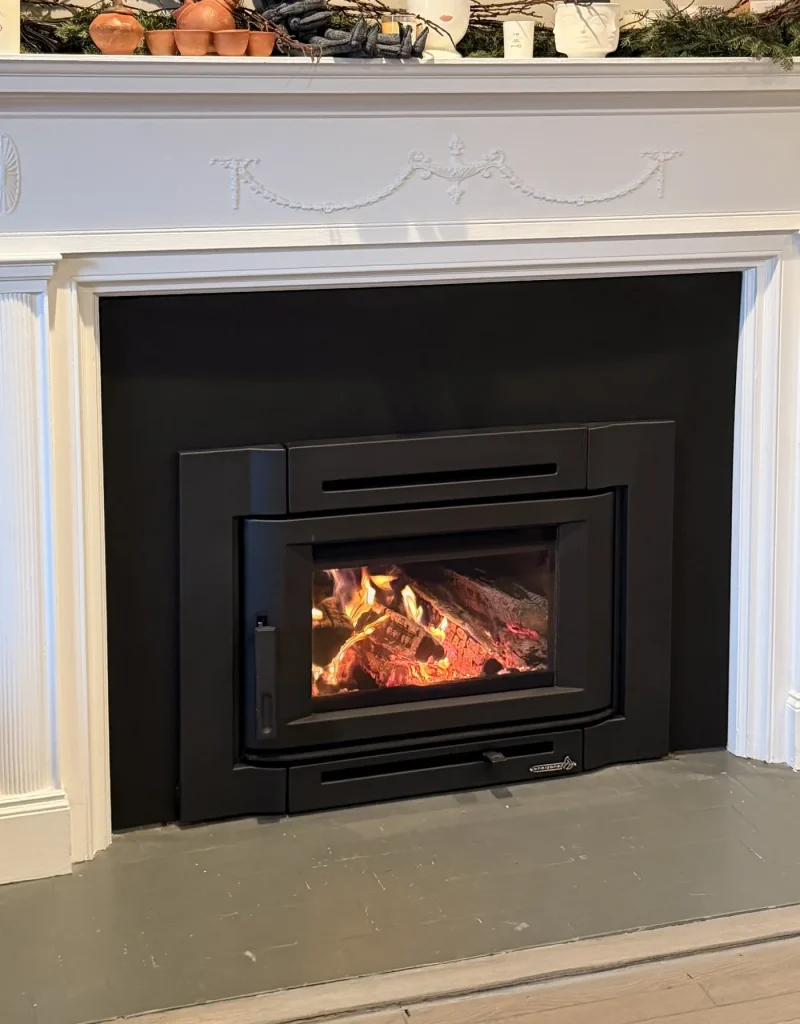
Honest about wood
What wood gives,
and what it asks
An open masonry fireplace is the least efficient way to burn wood that exists — most of the heat leaves up the flue, and while it burns it pulls warm air out of the rest of the house. That’s not an argument against wood; it’s an argument against leaving the fireplace open. Every option below is a way of keeping the fire and getting the heat, and which one applies depends almost entirely on what the house already has. Still weighing fuels? Gas vs wood vs electric, with the running costs.
Four routes, one question
Three ways to burn wood — and the one that keeps the fireplace you have
The right answer is usually decided by the building, not by preference. If there’s already a masonry opening and a sound flue, an insert is almost always the better outcome than a rebuild. If the room is new, a factory-built firebox goes in at framing for a fraction of the weight and cost of masonry.
- Class A chimney and clearances are decided at framing. After drywall, options get expensive.
- The hearth has to carry the weight — this matters for inserts and stoves, not just for masonry.
- Seasoned wood, ash and an annual inspection come with all four. There’s no version of wood without them.
| Option | What it needs | What it gives | Where it fits |
|---|---|---|---|
| Factory-built fireplace | An insulated Class A chimney and published clearances. | A real fire in a room that never had one, at a fraction of masonry weight. | New construction and additions. |
| Wood insert | A sound chimney plus a stainless liner, and a hearth that takes the weight. | The biggest jump in heat of anything on this list — a sealed firebox instead of an open fire. | An existing masonry fireplace that heats nothing. |
| Freestanding stove | Floor protection, clearances, and a Class A chimney or a lined flue. | The most heat per log, and it still works in an outage. | Basements, additions, and rooms a furnace never reaches. |
| New doors on the fireplace you keep | Nothing structural — a measured opening. | Less draft, a tighter close, and a different look without touching the masonry. | Older houses where the fireplace stays exactly as it’s. |
If that list of chores is the problem rather than the fire, a gas insert gives you flame and heat with none of it: fireplace inserts, and what a conversion actually costs, line by line.
Not sure which of the four applies? A photo of the fireplace or the wall, plus the three opening measurements, usually settles it in one reply.
Send us a photoThe brands we carry for wood
Who makes what
Wood is a narrower field than gas, and the four lines below barely overlap — each one answers a different version of the question.
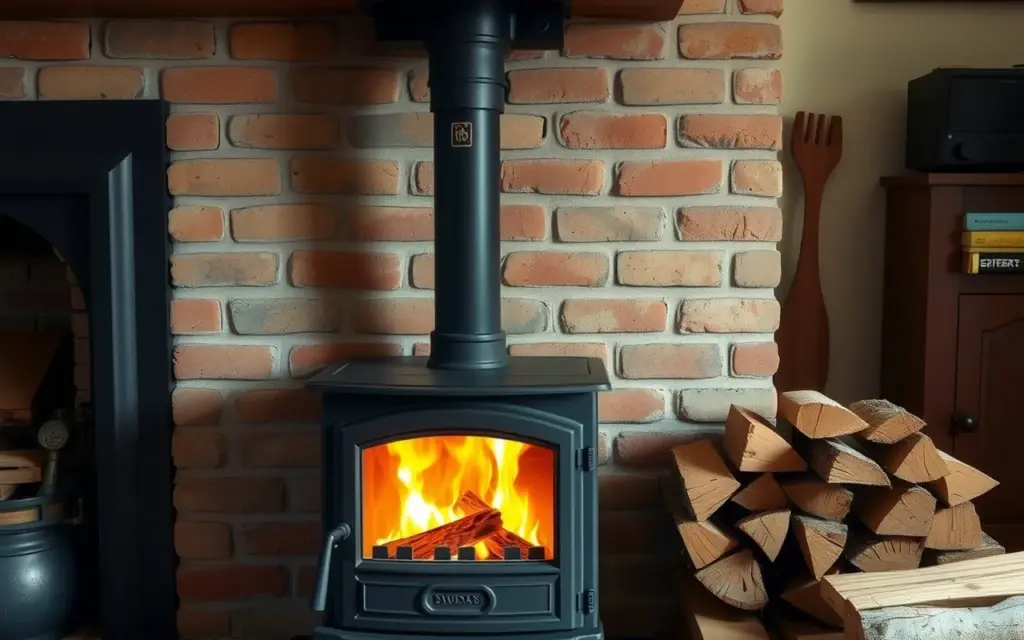
Majestic
Factory-built wood fireboxes in 36, 42 and 50 inches — radiant and heat-circulating, for new rooms and additions.
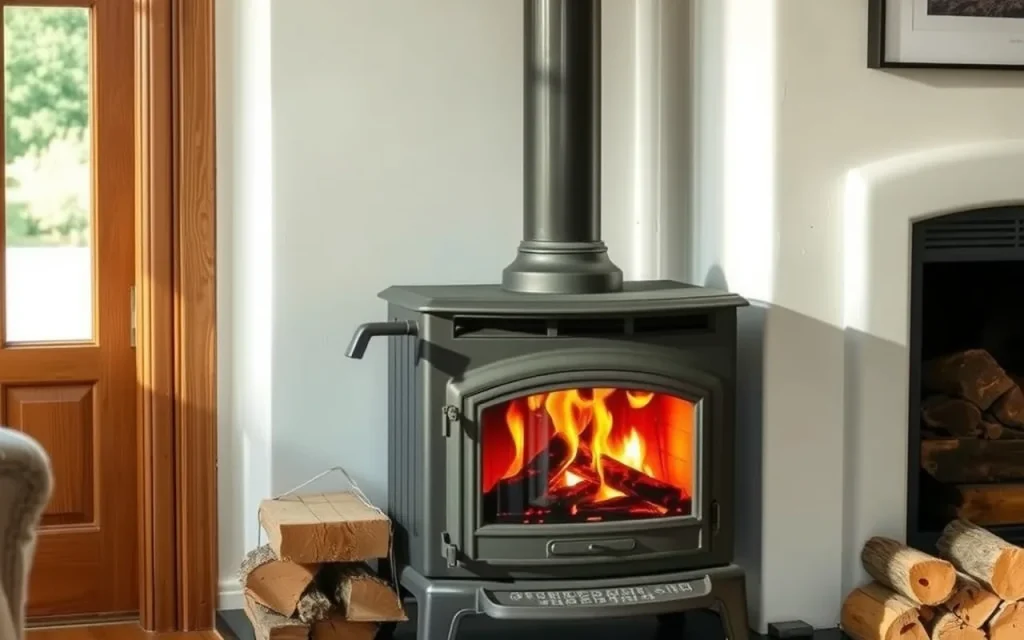
Regency
Wood stoves and wood inserts. High-efficiency, clean-burning units for homes that want real fire and real heat.
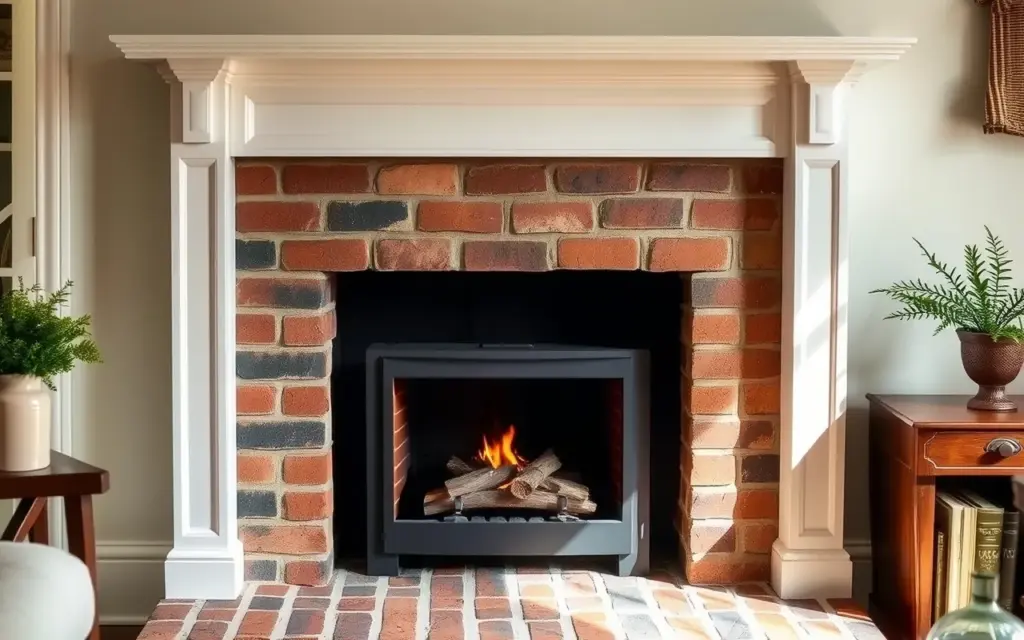
Superior
Factory-built wood fireplaces for new construction where masonry isn’t practical, plus inserts.
Ironhaus
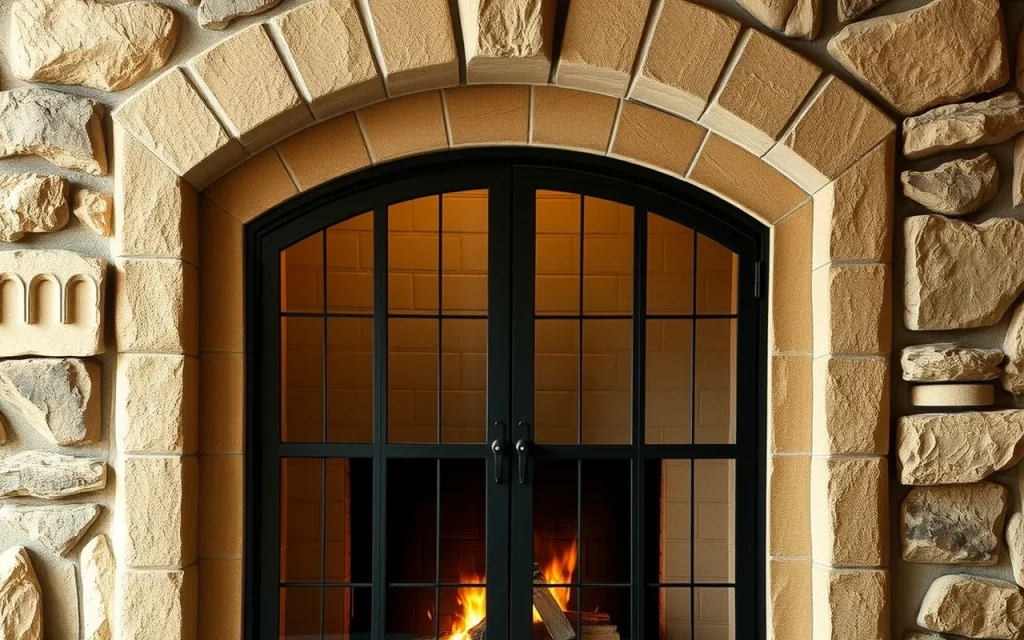
Hand-forged doors made to your opening — the least disruptive way to change an old fireplace.
Majestic
Majestic — factory-built fireboxes for new rooms
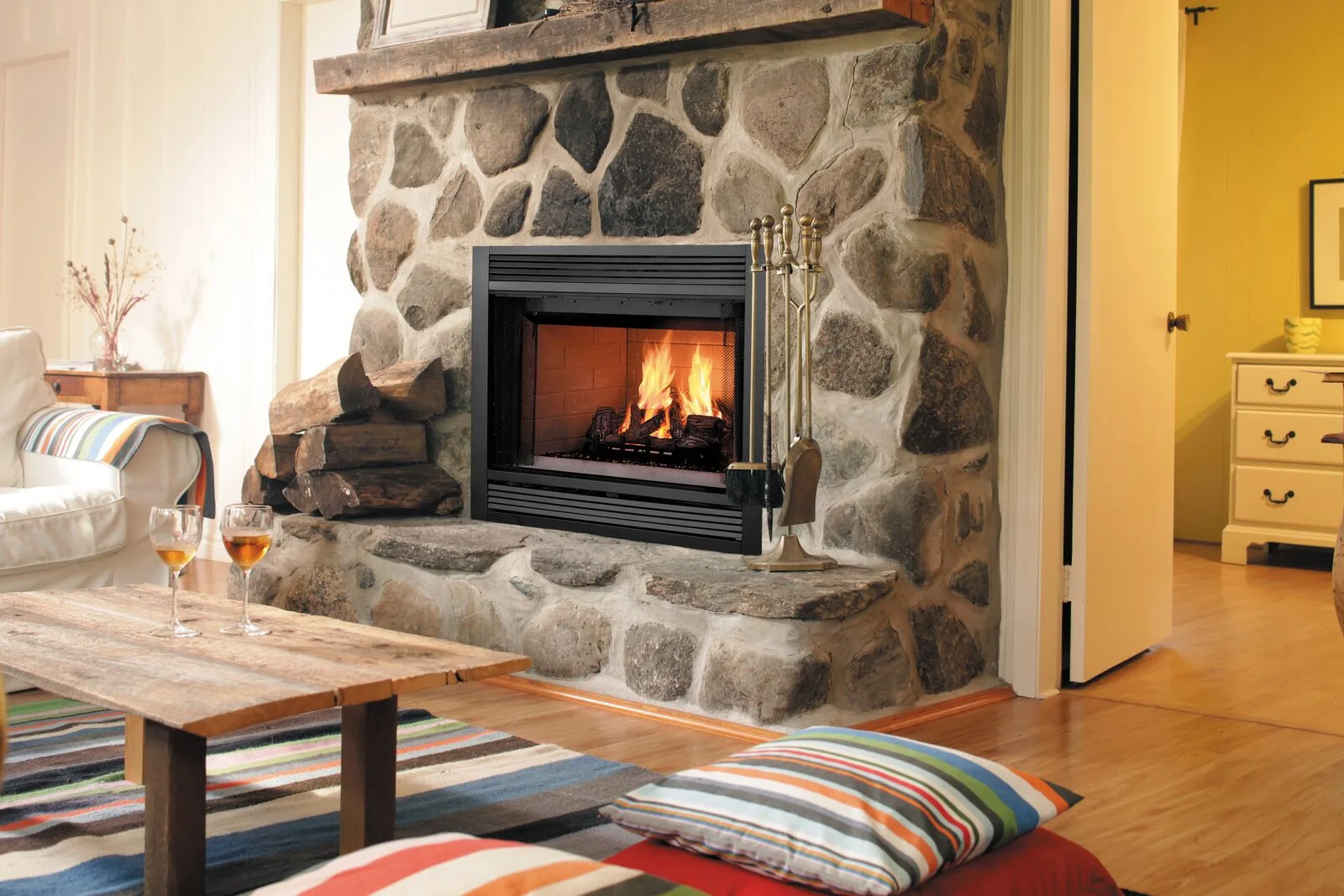
A factory-built wood firebox is what goes into an addition or a new house when a full masonry fireplace isn’t practical. It weighs a fraction of masonry, needs no footing, and vents through an insulated Class A chimney rather than a flue built on site. Majestic covers it in three widths, in radiant and heat-circulating versions — radiant throws heat at the room in front of it, heat-circulating moves air around the firebox and spreads it further. Majestic is a line we’re authorized to sell, which keeps the warranty and the parts channel intact on a firebox meant to outlast the room.
- 36, 42 and 50 inches, plus a 42-inch see-through model that opens to two rooms.
- Majestic publishes no BTU rating for its wood fireplaces — anyone quoting you one is estimating.
- Doors and screens change the look more than the firebox does, and that’s where most of the choice is.
Adding a fireplace to a new room? Send the framing plan and we’ll come back with sizes, clearances and the chimney run.
Ask about Majestic woodRegency
Regency — stoves and inserts, for heat
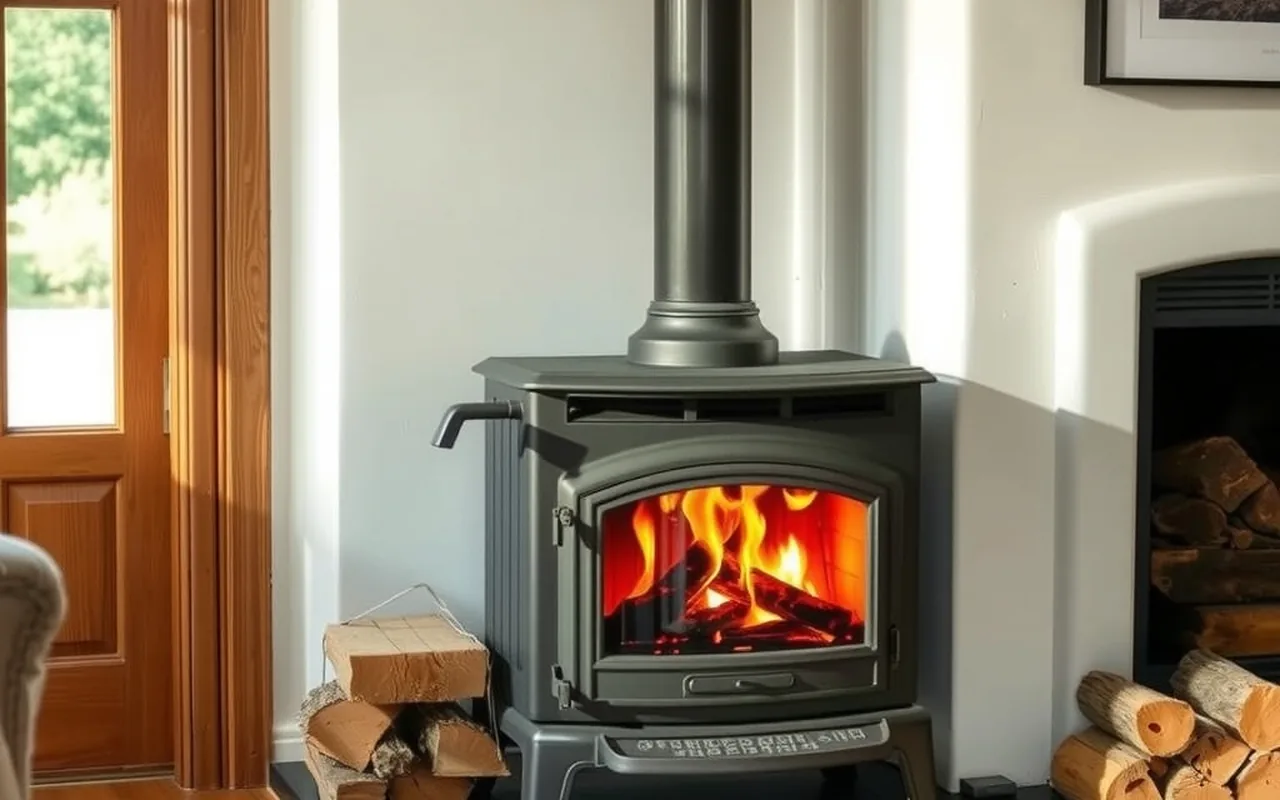
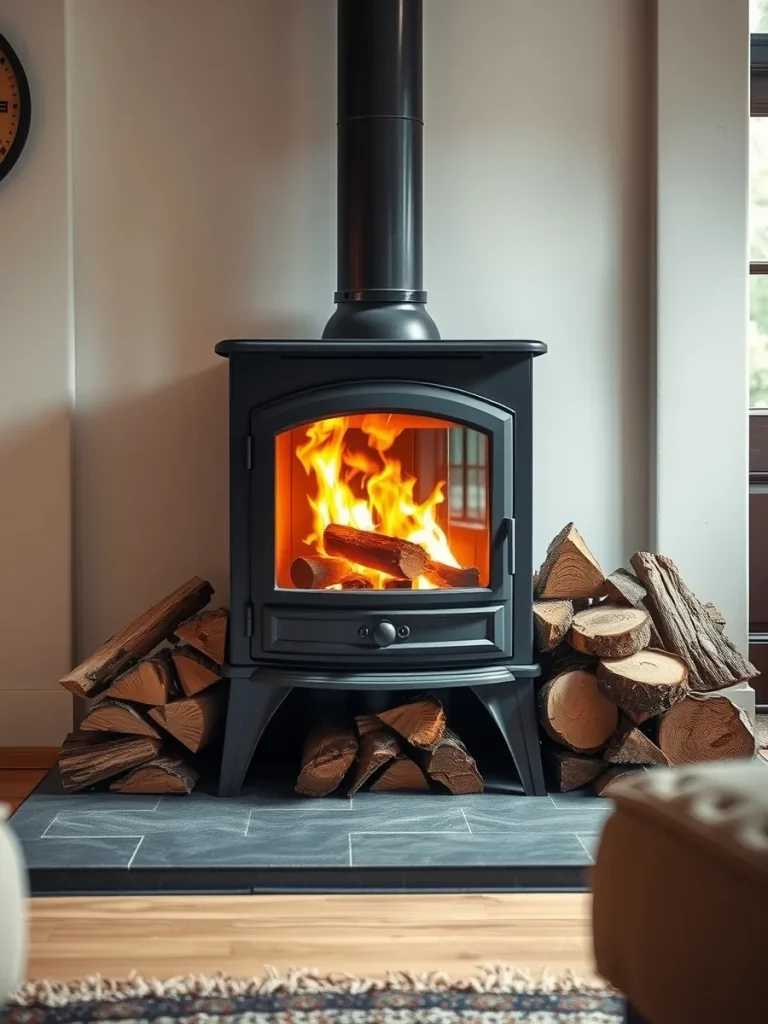
Regency is where wood stops being decorative. The wood stoves and wood inserts are the strongest part of the catalog: a sealed, controlled burn that holds a fire for hours instead of roaring through a load in forty minutes. For a house that loses power in winter storms — which in this county is most houses — a stove is the one heating appliance that doesn’t care.
- Wood stoves for basements, additions, and rooms the furnace never quite reaches.
- Wood inserts for an existing masonry fireplace — the biggest heat gain available without rebuilding anything.
- Also gas, if the chores turn out to be the deciding factor: gas fireplaces.
Want the heat, not just the fire? Tell us about the room and the chimney and we’ll say whether a stove or an insert is the better answer.
Ask about RegencySuperior
Superior — wood boxes across a whole build
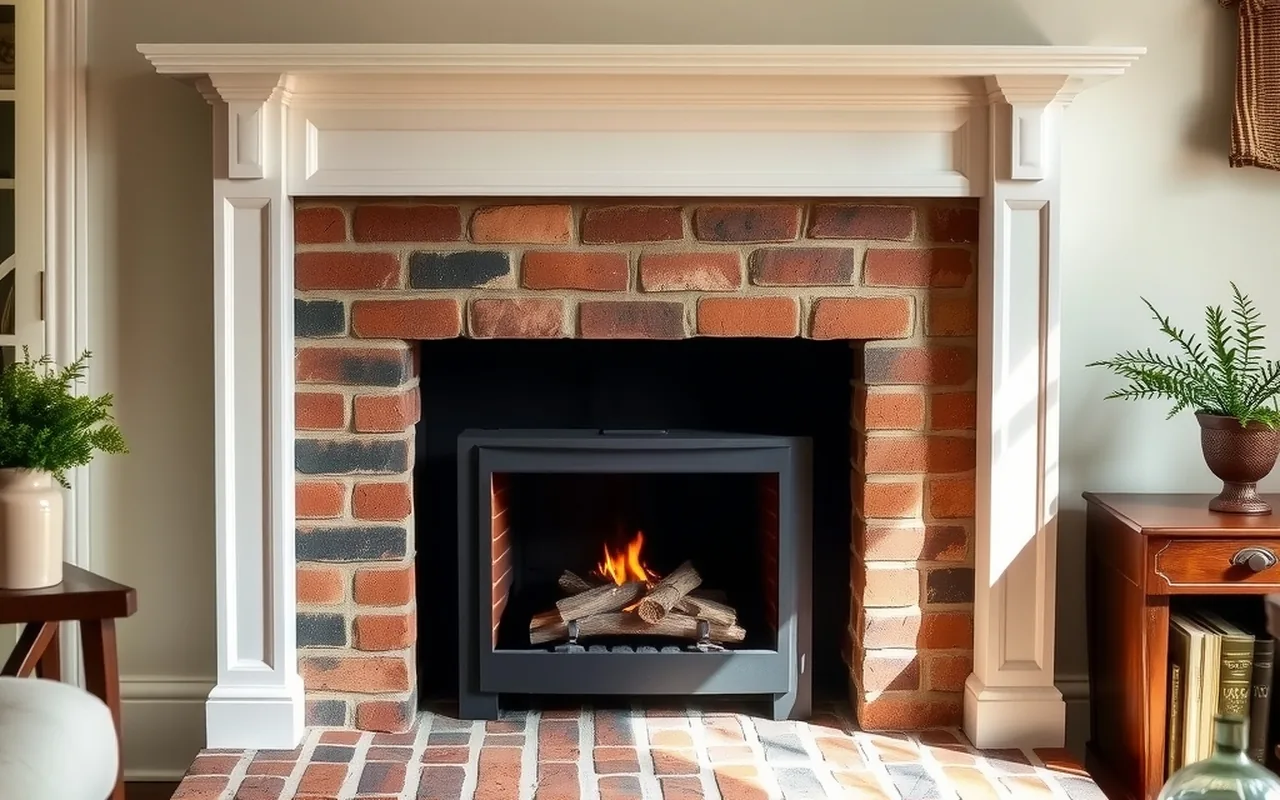
On a new house with more than one fireplace, Superior usually makes the numbers work. The factory-built wood fireboxes cover the same job as the Majestic line at a different price point, and the catalog continues into inserts and gas log sets, so one brand can cover a basement firebox, a great-room fireplace and a bedroom conversion.
- Factory-built wood fireplaces for new construction and additions.
- Inserts and gas log sets to bring an existing masonry fireplace back to life.
- Outdoor wood units rated for a covered patio: outdoor fireplaces.
Several fireplaces in one build? Send the plans — this is where Superior usually makes the numbers work.
Ask about SuperiorIronhaus
Ironhaus — when the fireplace stays and the look changes
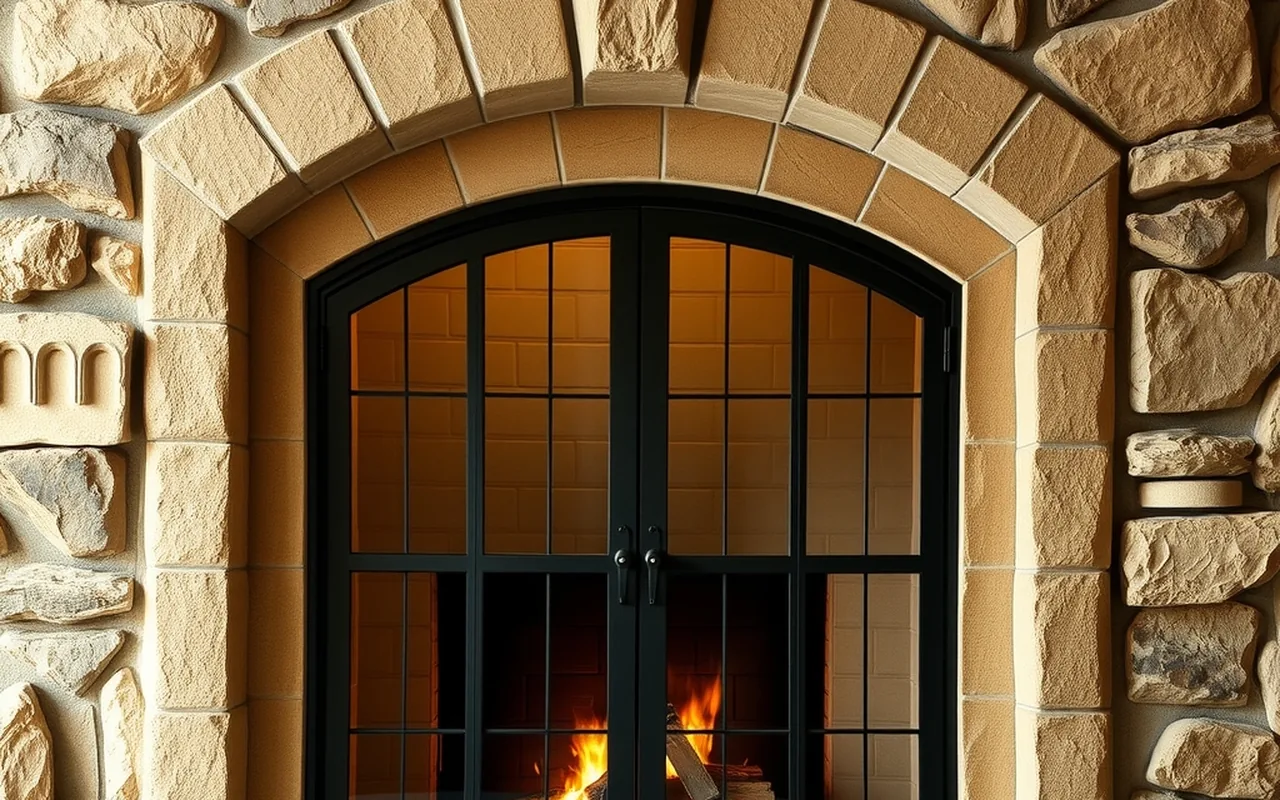
Sometimes nothing is wrong with the fireplace except the doors. Ironhaus makes them by hand to the opening you measured: rectangular or arched, cabinet, full-view, bi-fold or single-swing, in a range of finishes. A tight door also stops the draft that an open fireplace pulls through the room all winter, which is the practical half of the reason to do it.
- Foundation Series for the shortest lead time, fully custom when the opening isn’t standard.
- Refacing — surround and door together, so a dated brick opening reads as one deliberate piece.
- No permit, no venting work, no masonry: the least disruptive change on this page.
Keeping the fireplace, changing the look? Measure the opening and send a photo; the doors are made to it.
Ask about Ironhaus doorsWhat we check before recommending wood
- The chimney first An insert or a stove is only as good as the flue it vents into. A sound chimney plus a stainless liner is part of the job, not an upsell.
- Clearances at framing Class A chimney routing and clearance to combustibles are decided while the wall is open. We get those numbers to your builder early.
- Permits for wood go to DPS Wood appliances and their venting are Montgomery County DPS, not WSSC. Your installer files it; we plan the time. Who issues what.
- The honest comparison If the heat matters more than the fire, we’ll tell you that a gas insert does it better. The cost of converting, line by line.
Have an open fireplace that heats nothing? Send us three measurements.
Good to know
Wood-burning questions we hear every week
Can I add a wood-burning fireplace to an existing house?
Yes, with a factory-built firebox and a Class A chimney — but it’s a framing-stage job, which means opening the wall and a route to the roof. In an existing house with a masonry fireplace already in place, an insert reaches the same fire for far less disruption.
Is an insert really better than my open fireplace?
For heat, yes, and the difference isn’t subtle. An open fireplace sends most of its heat up the flue and pulls warm room air with it. A sealed insert burns a controlled fire and puts the heat into the room. The fireplace looks much the same from the sofa; the room feels nothing like the same.
Do you sell wood stoves?
Yes — Regency stoves, for basements, additions and rooms a furnace never reaches. A stove needs floor protection, published clearances, and a Class A chimney or a lined flue.
How often does the chimney need attention?
An annual inspection is the standard advice and the cheapest insurance in the whole system; sweeping depends on how much you burn and how well-seasoned the wood is. We don’t do service calls, but we’ll tell you what to ask a sweep and what their answer should sound like.
Do I need a permit for a wood fireplace?
Yes. Wood appliances and their venting go through Montgomery County DPS. Your installer files it — plan for it in the timeline rather than discovering it. Fees and timing.
Can I just put doors on the fireplace I have?
Often that’s the right answer. Hand-forged doors fitted to the opening stop the draft, change the look, and need no permit, no venting work and no masonry. See Ironhaus.
Do you install?
No. We sell and advise; hearth and chimney work goes to licensed partners. We lock in their price before you order and take nothing for the installation.
Which areas do you serve?
We sell and specify wood-burning fireplaces, inserts, and stoves across Montgomery County, Maryland — Potomac, North Potomac, Bethesda, Rockville, Gaithersburg, Germantown, Clarksburg, Poolesville, and Darnestown, and nearby communities. We’re based in Boyds, work by appointment, and don’t have a showroom: we come to the house, or work from your photos and plans. Not sure you’re in range? Ask and we’ll tell you straight.
Free consultation
Tell us what the house already has
A photo of the fireplace or the wall, the width, height and depth of the opening, and whether the chimney has been used recently. That’s enough to tell you whether you’re looking at an insert, a new firebox or a stove.
Prefer to talk? Call 240-988-9177 · Serving Montgomery County, MD · By appointment