
Fireplace inserts
Fireplace inserts in Montgomery County, MD — gas, wood, and electric
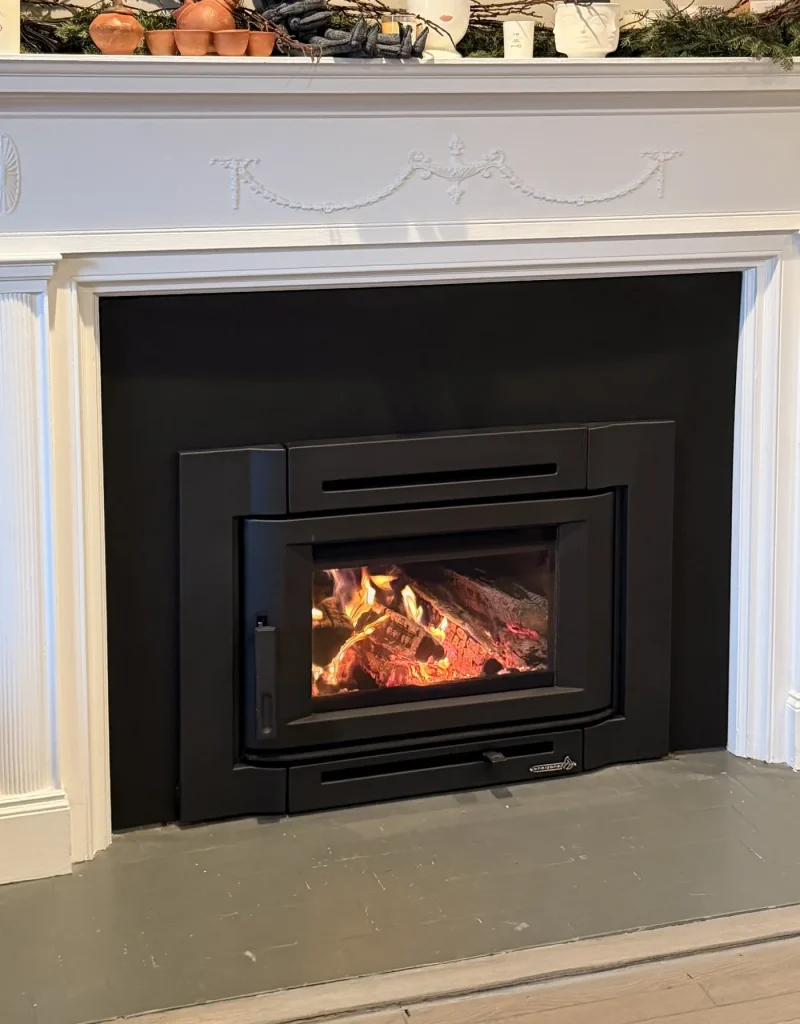
An insert is a sealed firebox that slides into the fireplace you already have and turns it from a hole that loses heat into something that warms the room. The masonry stays, the mantel stays, the draft stops. It’s the most common project we do, and the one with the biggest difference between before and after.
Get a free insert consultation
Send a photo and three measurements
Width, height and depth of the opening are usually enough for us to tell you what fits.- The insert lines we carry Majestic and Regency gas and wood inserts, Superior, and SimpliFire electric — most other major hearth brands on request.
- 21 years in the hearth industry Founder-led. You talk to Jesse Myers, not a call center.
- We sell and advise Hearth and gas work is licensed. It goes to installers we trust, and we lock in their price before you order.
- Montgomery County, MD By appointment — at your home or remotely with photos.
- Where we work By appointment across Montgomery County, MD — Potomac, North Potomac, Bethesda, Rockville, Gaithersburg, Germantown, Clarksburg, Poolesville, and Darnestown. Based in Boyds; no showroom.
Why so many houses here need one
The fireplace that
heats nothing
Most houses in this county built before the nineties have an open masonry fireplace that looks the part and does almost nothing. An open fire sends the majority of its heat up the flue and pulls warm air out of the rest of the house to feed itself — on a cold evening the room with the fire can end up the only warm room, and the furnace runs harder for it. An insert closes that opening with glass, feeds the fire properly, and puts the heat where you’re sitting. We put the real numbers on a conversion here: what a wood-burning insert costs, line by line.
Three kinds
Which insert your fireplace can take
The fuel decides the project. Gas needs a line to the firebox; wood needs a chimney in good condition; electric needs an outlet and nothing else. What your house already has usually settles the question before taste gets a vote.
- Every vented insert gets a stainless liner up the flue. That’s part of the job, not an upsell.
- The hearth has to carry the weight — a wood insert is heavy, and old hearth extensions aren’t always sound.
- If there’s no gas line in the room, that’s the first cost to price, not the last.
| Insert | What it needs | What you get | Who it suits |
|---|---|---|---|
| Gas insert | A gas line to the firebox and a liner up the existing flue. | Instant fire, real heat, a sealed glass front, nothing to carry or sweep. | Most of the conversions we do. |
| Wood insert | A sound chimney, a stainless liner, and a hearth that takes the weight. | The most heat of the three — and it still works when the power is out. | People who want to keep burning wood but want the heat. |
| Electric insert | A 120-volt outlet. No venting, no liner, no permit in most cases. | Flame and supplemental heat, in a fireplace with no gas and no usable flue. | Condos, bedrooms, and chimneys that would cost more to fix than to replace. |
Not sure the chimney is sound? That’s a question for a sweep, and the answer changes which of the three is realistic. We’ll tell you what to ask.
Three numbers and a photo. Width, height and depth of the opening are enough for us to tell you which inserts fit and what the job involves.
Send us the openingThe brands we carry for inserts
Who makes what
Four lines, and they don’t compete for the same fireplace — each one answers a different version of what you already have.
Majestic
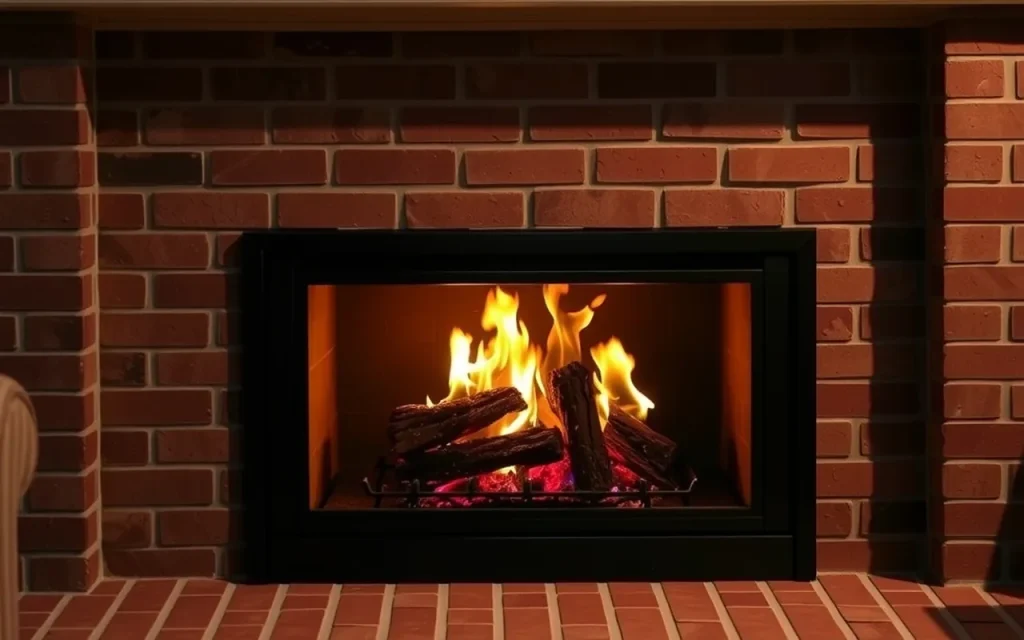
Gas inserts in three widths — 25, 30 and 35 inches — with electronic ignition and battery backup. The widest size range of the four.
Regency
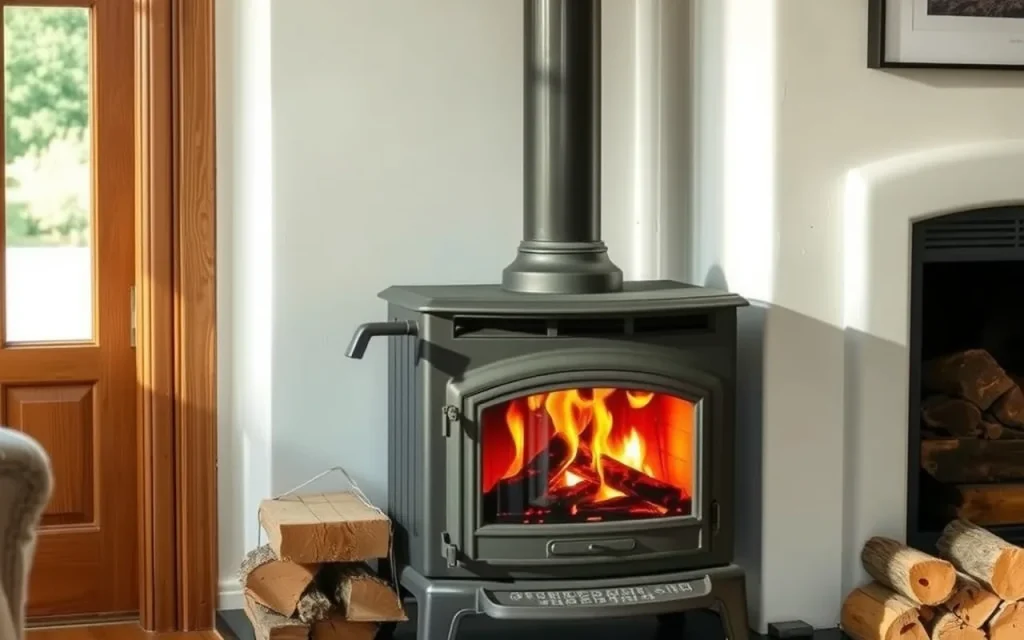
Gas and wood inserts. The wood inserts are the strongest part of the catalog if heat is the point.
Superior
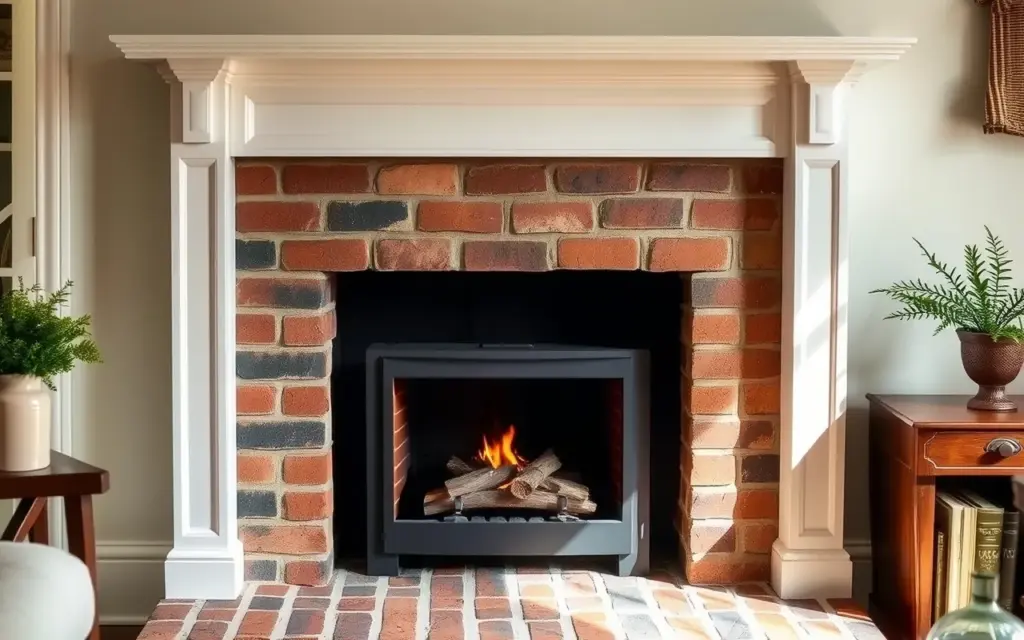
Gas inserts and gas log sets — the two cheapest ways to bring a masonry fireplace back to life.
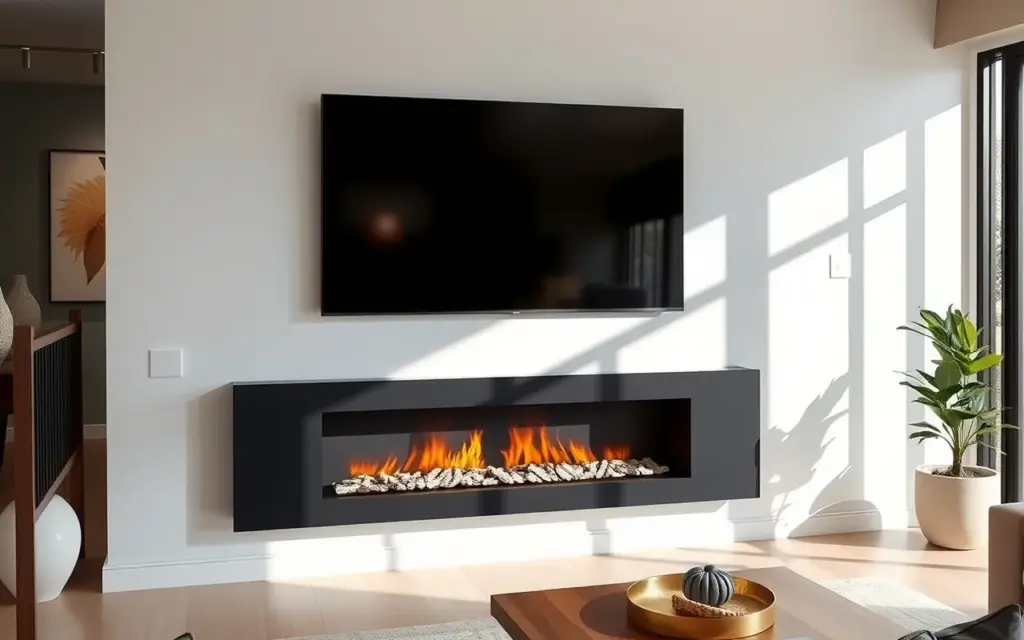
SimpliFire
Electric inserts in 25, 30, 32 and 35 inches. The answer when there’s no gas and no usable chimney.
Majestic
Majestic — gas inserts in three sizes
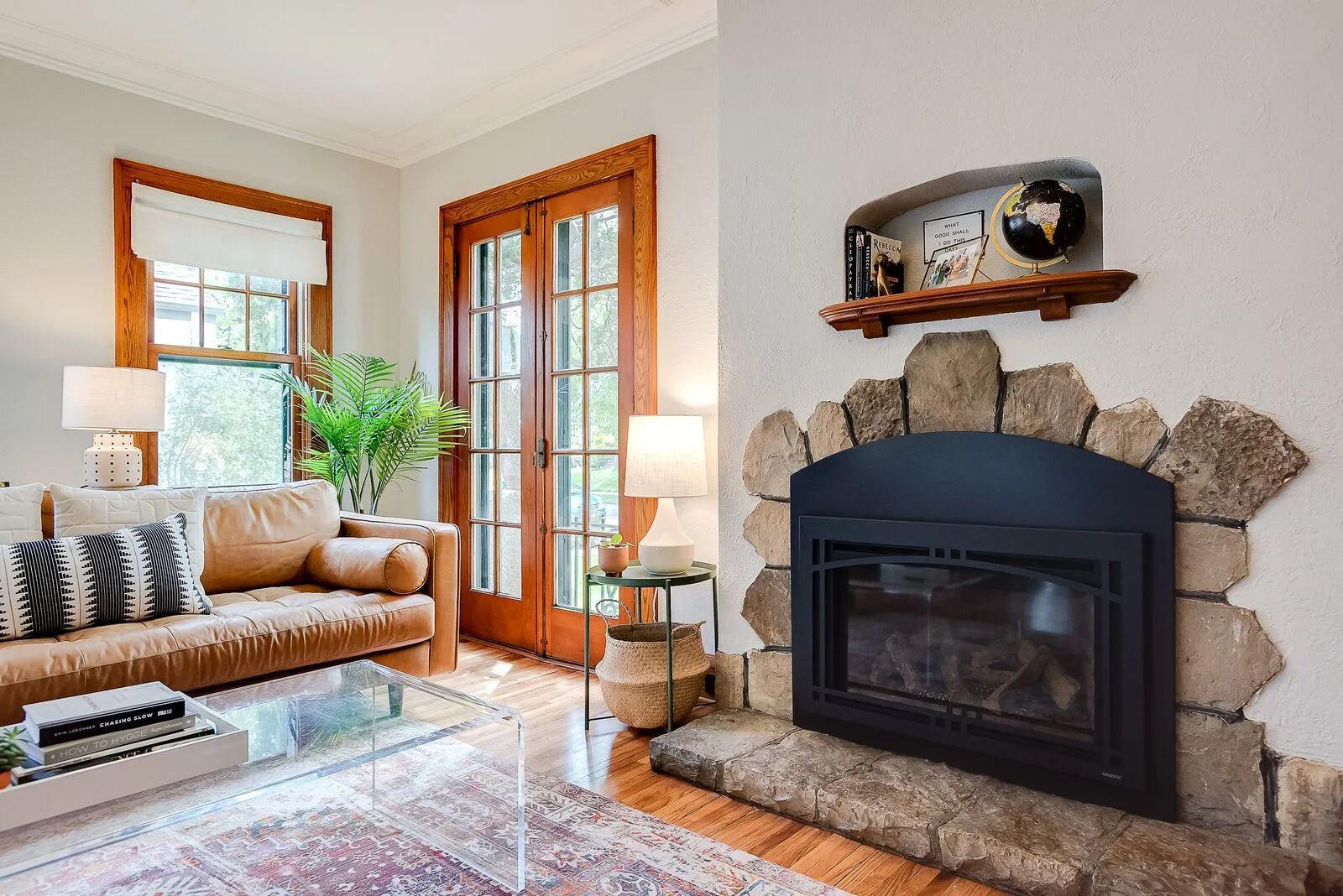
Majestic covers the opening sizes we actually meet in this county: small, medium and large, which in practice means roughly 25, 30 and 35 inches of firebox. All of them are direct-vent and all of them run on IntelliFire Touch ignition, so they light from a wall switch, a remote or a thermostat, with battery backup when the power is out. The visible difference between the Ruby, Trilliant and Jasper families is the front and the fire itself, not the installation. We’re authorized on the line, so the warranty on an insert bought from us runs through Majestic itself.
- Direct vent through the existing flue with a liner — the chimney stays, the draft stops.
- Ruby and Trilliant come in all three sizes; Jasper is the medium 30-inch.
- Platinum versions of the Ruby line add finish options rather than a different firebox.
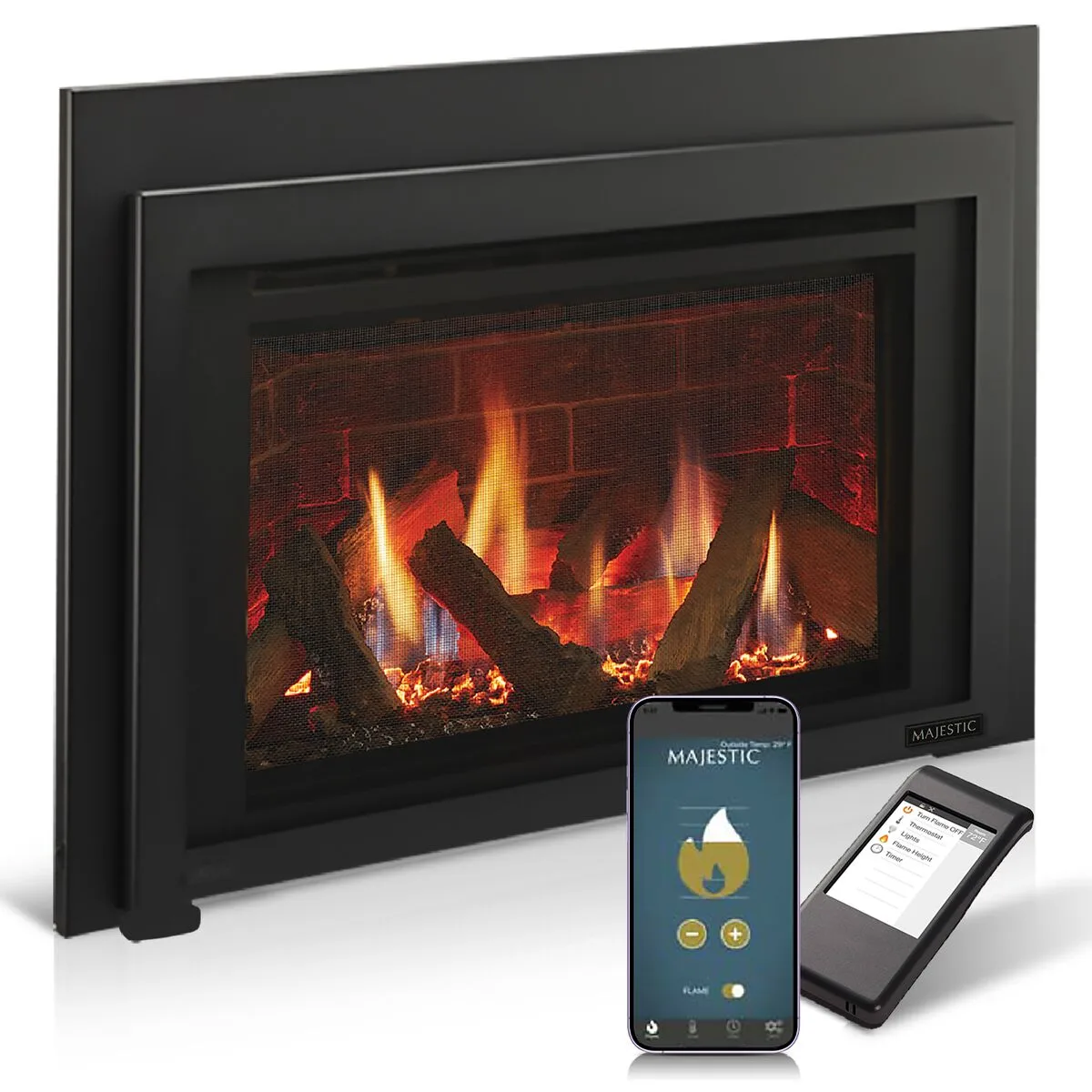
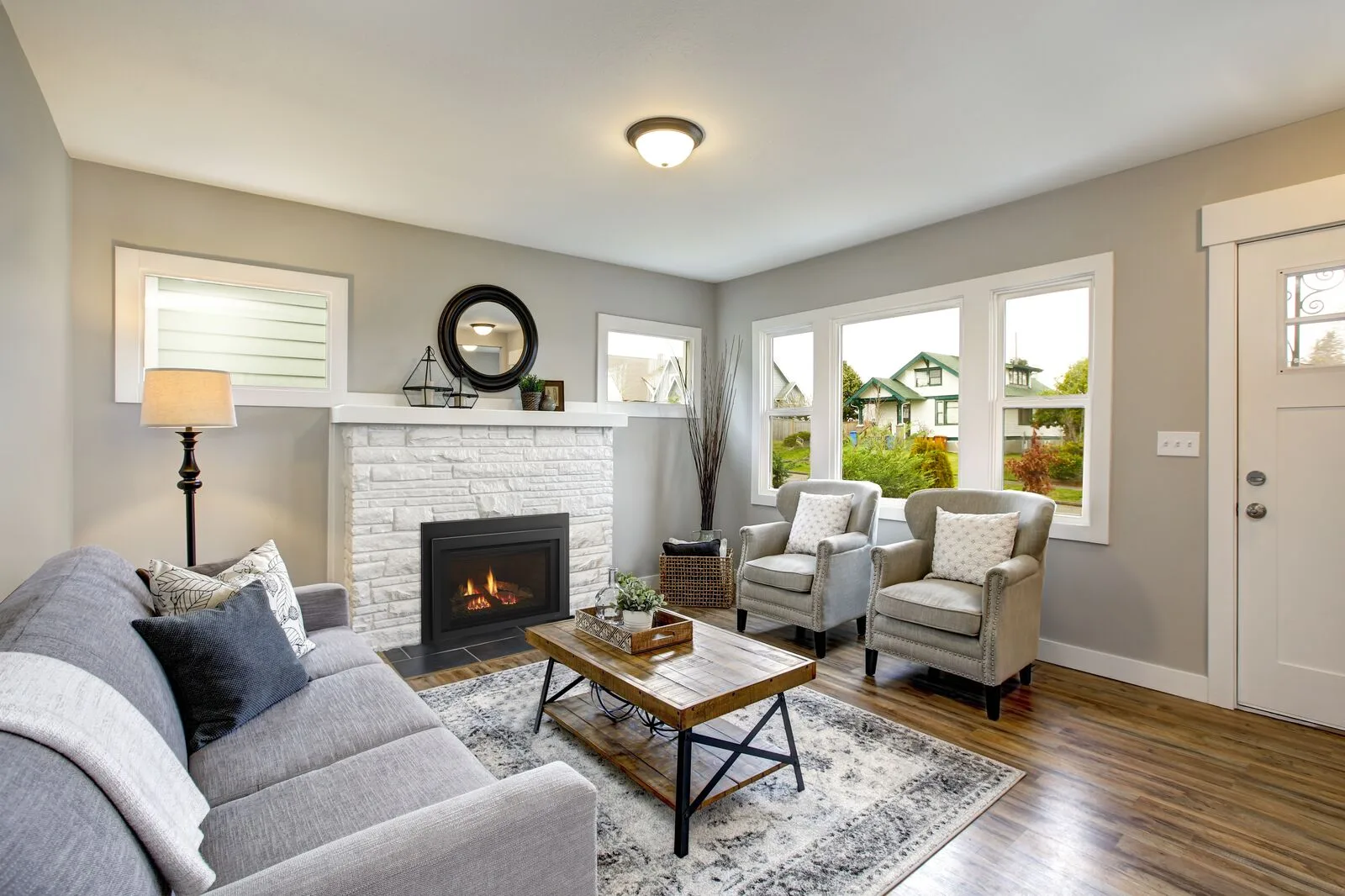
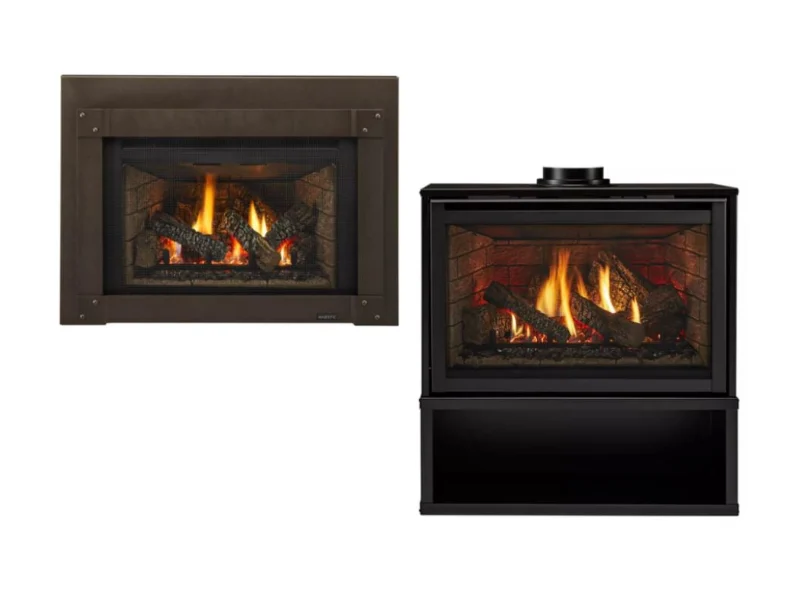
Standard-size opening? Majestic covers roughly 25, 30 and 35 inches — send the measurements and we’ll name the models.
Ask about Majestic insertsRegency
Regency — the wood insert that actually heats
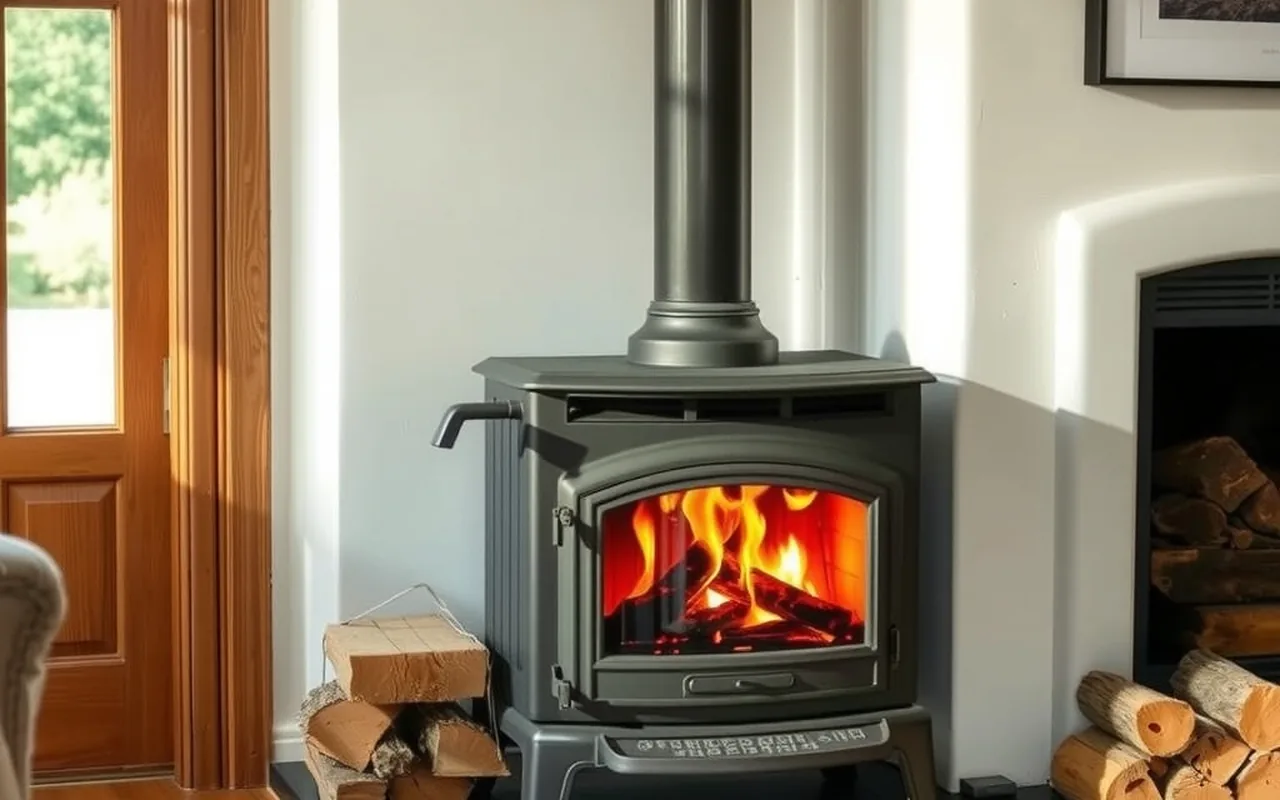
If the point of the project is heat rather than the look of a flame, the Regency wood inserts are the strongest thing on this page. A sealed, controlled burn holds a fire for hours instead of roaring through a load, and the house keeps the heat instead of sending it up the flue. Regency also makes gas inserts, and for a lot of households that’s the honest recommendation — the heat is slightly less, the work is far less.
- Wood inserts for an open masonry fireplace, with a liner up the existing chimney.
- Gas inserts for the same opening when nobody wants to carry wood.
- Lead times are usually the shortest of the brands we carry — about a week, stock permitting.
Want the biggest jump in heat? Tell us about the chimney and we’ll say whether a wood insert is realistic.
Ask about Regency insertsSuperior
Superior — inserts and log sets
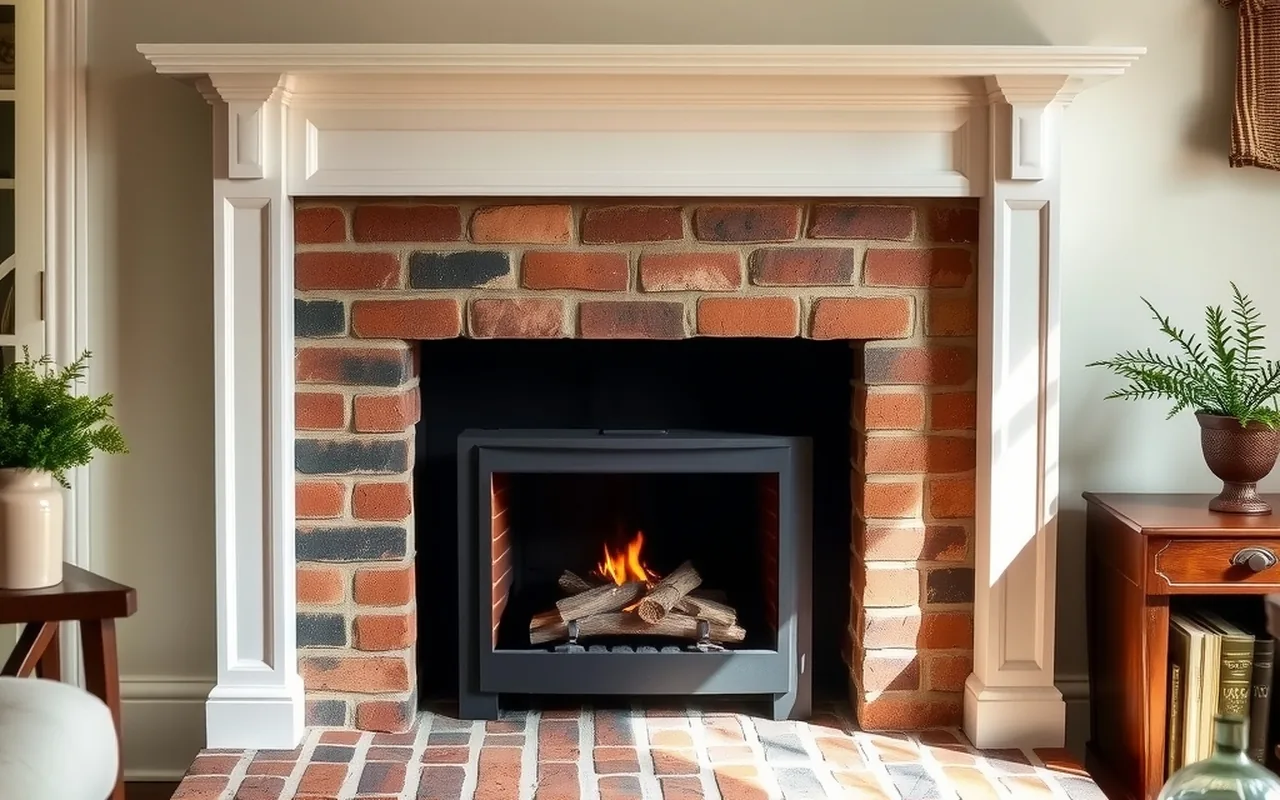
Superior covers the same conversion at a different price point, and it’s also where the gas log sets live. A log set isn’t an insert: it sits in the open fireplace, the damper stays open, and most of the heat still goes up the chimney — but it’s the lowest-cost way to get a flame, and for a fireplace that’s lit six evenings a year that can be exactly right.
- Gas inserts for a sealed conversion with real heat.
- Gas log sets when the fire is for the look and the budget is the constraint: gas logs.
- The same catalog continues into new fireplaces, which helps on a whole-house build.
Working to a budget? Send the opening and we’ll compare an insert with a log set, in writing.
Ask about SuperiorSimpliFire
SimpliFire — electric, when the chimney is the problem
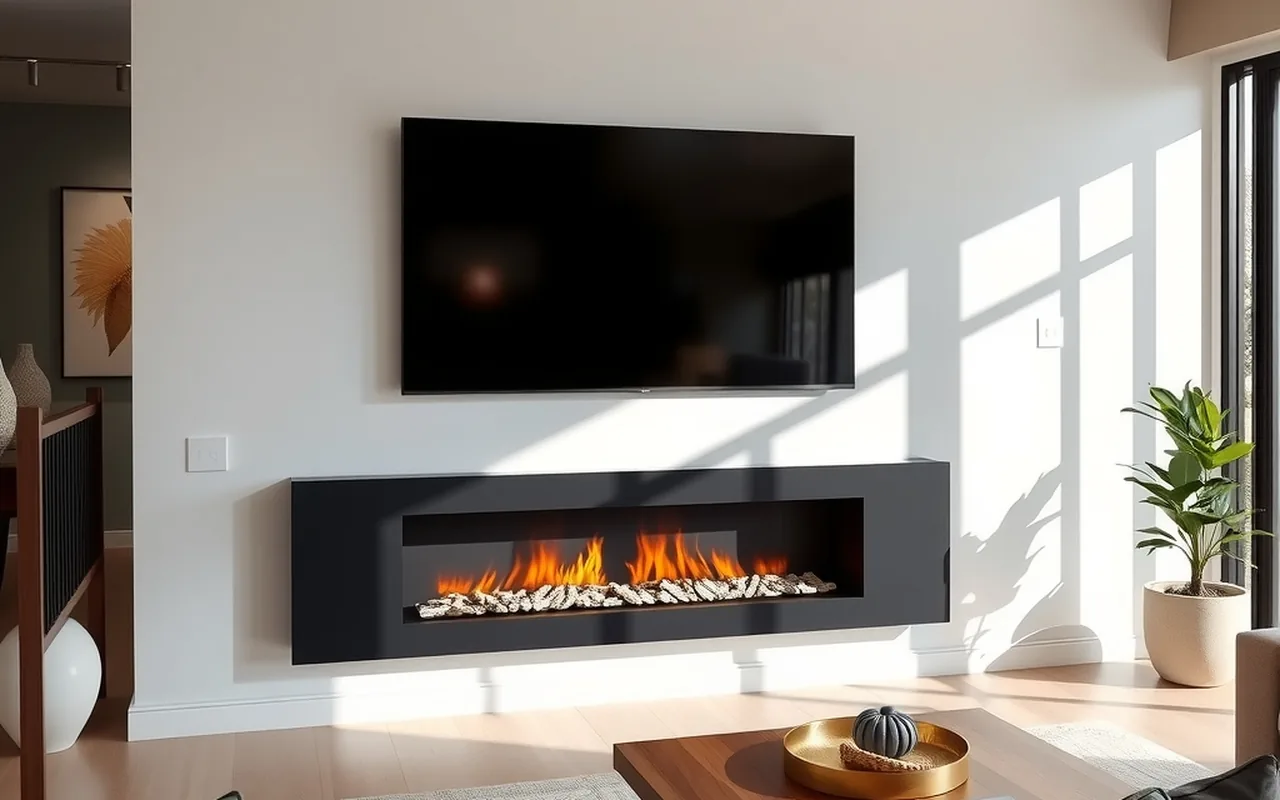
Sometimes the chimney is beyond economic repair, or the room has no gas and no practical route for it, or the building simply doesn’t allow combustion appliances. An electric insert drops into the same opening, plugs into a standard outlet, and gives you flame with supplemental heat. SimpliFire makes them in four sizes, from 25 to 35 inches.
- No venting, no liner, no gas line, and in most cases no permit.
- Heat is supplemental, not a furnace — around 5,000 BTU on a standard 120-volt circuit.
- The flame runs without the heater, which makes it the only one of the three that’s pleasant in July.
No gas and no usable flue? Send the opening measurements — an electric insert may be the whole answer.
Ask about electric insertsHow a conversion goes
From three measurements
to a working fireplace
- 01. Measure the opening Width at the front, height at the front, and depth from the front edge to the back wall. Note whether the opening narrows toward the back — most masonry fireplaces do.
- 02. Send the photos The fireplace straight on, one from the side, and one of the room. If you know when the chimney was last used or swept, tell us that too.
- 03. Options and a written quote Two or three inserts that fit, with the liner and the gas work priced in — not just the unit. We say plainly which one we would put in our own house and why.
- 04. Order and installer hand-off We handle the order and line up an installer we have worked with, with their price locked in before you commit. We take nothing for the installation.
Most inserts arrive in under two weeks. Autumn is the busy season — the permit and the installer’s calendar are usually what sets the date, not the unit.
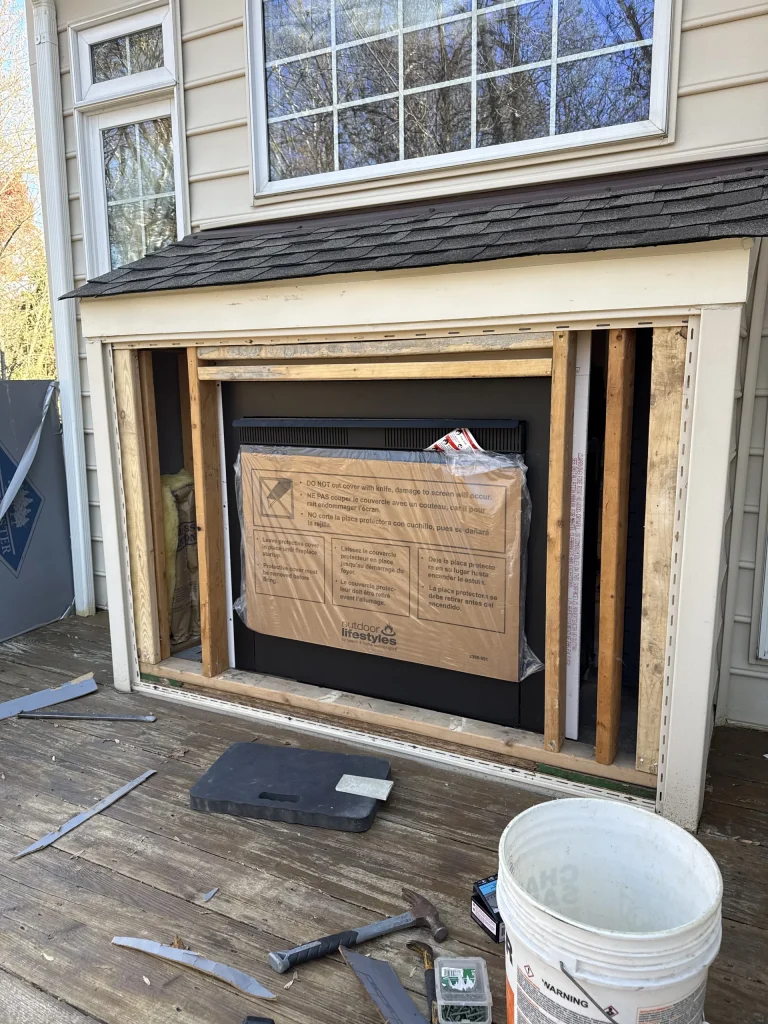
What we check before quoting an insert
- The three numbers, then the brand Width, height and depth of the opening rule out most of the catalog in one minute. Everything else comes after.
- The liner is in the quote A vented insert needs a stainless liner up the flue. We price it in rather than letting it appear later as a surprise.
- Permits planned Gas appliance permits go to WSSC Water, venting and structural work to Montgomery County DPS. Who issues what.
- The whole cost, in writing The unit is often less than half the job. Here is the breakdown for a wood conversion.
Send three measurements and a photo — we’ll tell you what fits.
Good to know
Insert questions we hear every week
Will an insert fit my fireplace?
Usually, and width, height and depth of the opening settle it. Inserts come in roughly 25, 30 and 35-inch sizes, and a shallow or sharply tapered masonry opening is the one case that rules models out. Send the three numbers and a photo.
Does the chimney need a liner?
Yes, for gas and wood both. A stainless liner sized to the appliance is what makes the insert draft correctly and safely, and it’s part of the installation, not an extra someone talks you into.
Can I keep the mantel and the surround?
In almost every case, yes — that’s the point of an insert. The firebox slides into the existing opening and a surround panel closes the gap. The masonry and the mantel stay exactly as they are.
What does it cost?
The unit is often less than half the job: the liner, the gas work and the finishing make up the rest. We wrote out a real conversion, item by item: what it costs to convert. We do not publish prices on the site — too much depends on your chimney.
How long does it take?
Most inserts arrive in under two weeks. The permit and the installer’s schedule usually set the date, especially in autumn. If you want a working fireplace by Christmas, start in September.
Gas or wood — which would you pick?
For most households, gas: you get heat on demand with nothing to carry, store or sweep. For a house that loses power in winter storms, or for someone who wants the fire itself, a wood insert is the better answer and we’ll say so.
Do you install?
No. We sell and advise; hearth, gas and chimney work goes to licensed partners. We lock in their price before you order and take nothing for the installation — that contract is between you and them.
Which areas do you serve?
We sell and specify fireplace inserts across Montgomery County, Maryland — Potomac, North Potomac, Bethesda, Rockville, Gaithersburg, Germantown, Clarksburg, Poolesville, and Darnestown, and nearby communities. We’re based in Boyds, work by appointment, and don’t have a showroom: we come to the house, or work from your photos and plans. Not sure you’re in range? Ask and we’ll tell you straight.
Free consultation
Send us the opening
A photo straight on, one from the side, and the width, height and depth. That’s enough for us to come back with two or three inserts that fit and a written quote with the liner and the gas work in it.
Prefer to talk? Call 240-988-9177 · Serving Montgomery County, MD · By appointment